Part 1: Market trends & generational shifts

Have you got the recruitment riz*?
Covid had an enormous impact on the tourism industry and we’re still feeling the ripples. For the jobs market, this is particularly true and a sharp reality for us in the Yukon. It accelerated what was already happening – an ageing labour force and people turning to other ways to spend their working hours. The ‘Great Resignation’ they called it.
This has meant a chronic shortage of people. In particular, a shortage of experienced (read older) tourism hands. This is true across other sectors too.
I was talking to a senior education professional in NWT who told me they are pitching themselves (note the term) to young teachers who already have 2 or 3 job offers from other places in Canada. It’s a big change from how it used to be.
Fundamentally, this is about supply and demand. The balance of power has shifted. No longer can business owners and recruiters take their pick of people clamouring to work for them. It’s an employee-driven marketplace.
What does that mean?
The bottom line is we must try harder. It means we have to change our thinking and what we do around recruitment. It means we have to hire younger, less experienced people. We need to move faster in our communications and decision-making, and spend more quality time with applicants.
There’s a second issue. Younger generations have quite different hopes, dreams and expectations for their working lives. Younger people have grown up with smartphones, TikTok and Snapchat. They even talk differently. Do you have the riz to get them to work for you?
That education professional in NWT is spending a lot more time interacting with each potential teacher. They are having to make hiring decisions faster – or they lose the teacher to another community. They work harder to ‘sell’ their schools and communities to candidates – whilst being realistic about the challenges of living and working in the North. If they don’t find the right ‘fit’ that person leaves quickly for another job down South and they have to start all over again. Sound familiar?
The Coles Notes of the situation are:
- People, and especially experienced, older people, are in short supply
- This has caused a shift in the balance of power from hiring businesses to the people looking for work
- This means recruiting younger, less experienced people with quite different expectations of work
- This demands us changing our mindset and how we do recruitment (post and pray no longer cuts it)
Businesses that have successfully adapted to this new way of working balance the science and art of recruitment. They break down the different stages of the employee’s ‘journey’: attraction (catching the attention of the right kinds of candidates), hiring (providing good candidate service / being responsive, spending quality time with a potential employee, making sure there is the right ‘fit’), onboarding (how someone is welcomed and got up to speed when they start), and development (constructive feedback, ongoing communications, new opportunities).
Why bother?
You’re right. It’s a lot of hassle. However, if you want to run a thriving business, if you want to grow, if you don’t want to turn clients down, then you’re going to need people. If you need people, you need to find the right ones and have them stay, and maybe come back again next season.
If you want to do that, you need to change how you hire and get the recruitment riz*.
(*Translation for Boomers and Gen Xers: colloquial abbreviation of charisma.)
Editor’s Note: This article was originally published in 2025 and has been updated to reflect the upcoming Tourism HR Workshop.
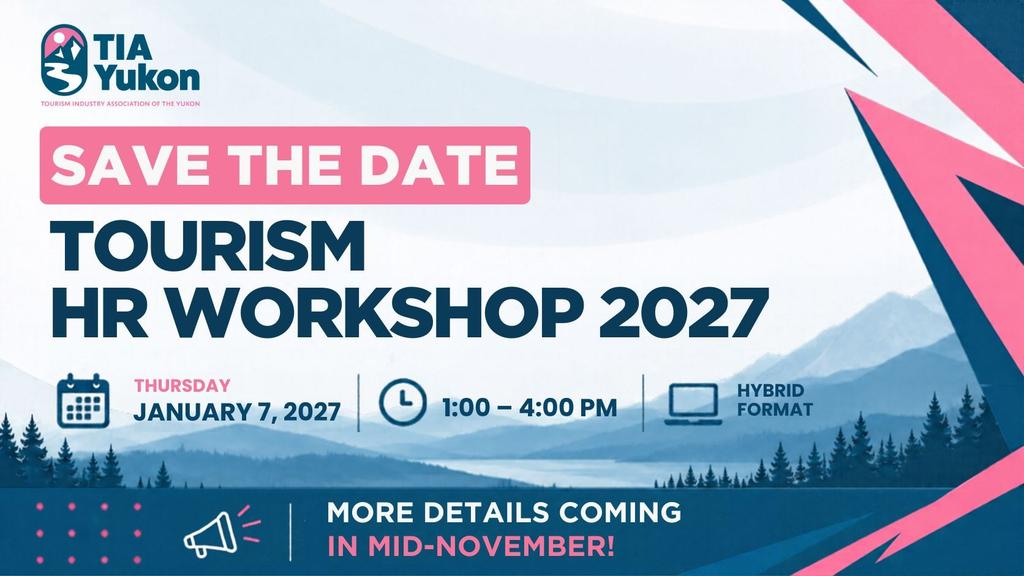
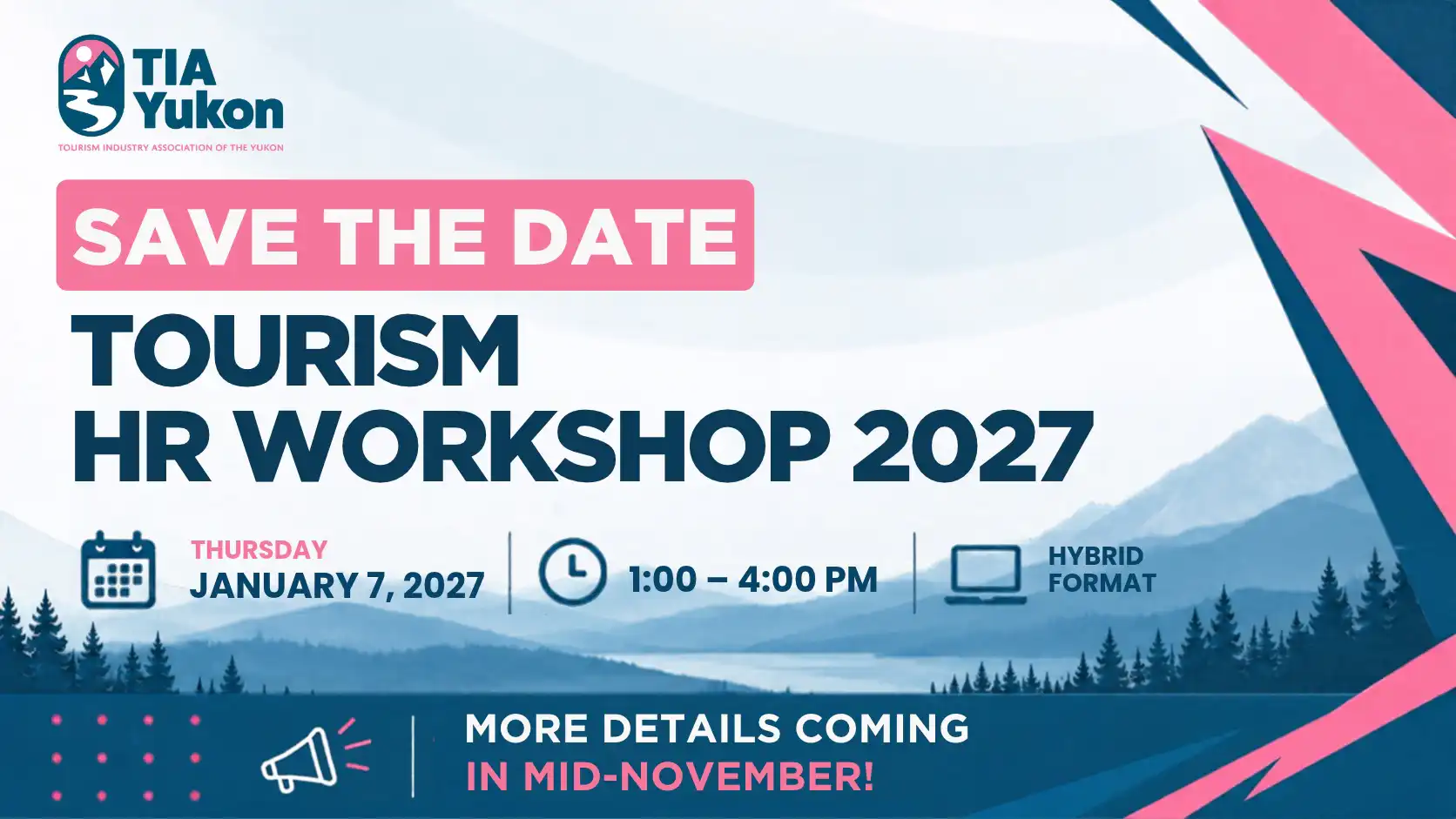
Following the positive response to last year’s Tourism HR Workshop, TIA Yukon is pleased to announce that the workshop will return on Thursday, January 7, 2027, from 1:00 to 4:00 PM.
This year’s workshop will explore recruitment and retention challenges facing Yukon tourism employers, drawing on real-world successes, lessons learned from setbacks, and practical ideas that businesses can apply.
Rather than a traditional lecture, the workshop will offer an interactive opportunity to exchange ideas with panellists and fellow tourism employers, encouraging participants to share their own experiences and challenges.
More details coming soon. Registration is expected to open in mid-November.